Blocked drains are one of the most common household problems, but when a blockage occurs, many homeowners ask the same question. Who is actually responsible for fixing it?
The answer depends on where the blockage is located. In some cases, the responsibility lies with the homeowner, while in others it falls to the local water company. Understanding the difference can save you time, money and unnecessary frustration.
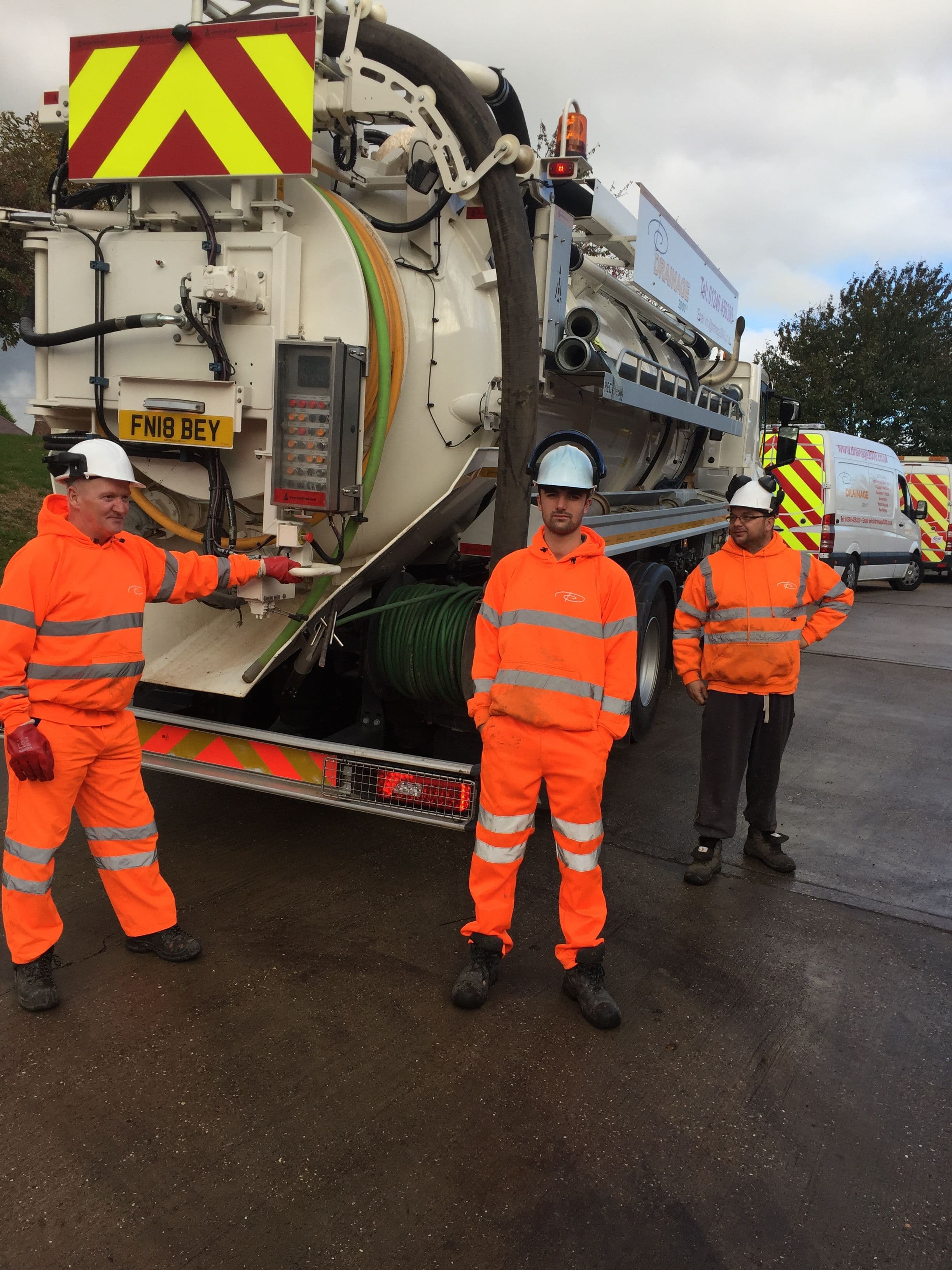
At Drainage 2000, we regularly help homeowners identify the source of drainage problems and advise who is responsible before any work begins.
Understanding the Difference Between Drains and Sewers
Although the terms are often used interchangeably, drains and sewers are not the same thing.
A drain is the pipe that carries wastewater away from your property. It normally serves just one home and remains your responsibility until it leaves your property boundary or joins another property's drainage system.
A sewer is a larger pipe that carries wastewater from multiple properties. In most cases, public sewers are owned and maintained by your local water company.
Knowing where your drainage connects is often the key to understanding who is responsible for repairs.
When Is the Homeowner Responsible?
As a homeowner, you are generally responsible for maintaining the drains that serve only your property. This includes blockages caused by everyday household waste, damaged pipework within your boundary and drainage systems that have become blocked by grease, tree roots or structural defects before they connect to a public sewer.
If your kitchen sink is backing up, your toilet is overflowing or an inspection chamber within your property is blocked, it is likely that you are responsible for arranging repairs.
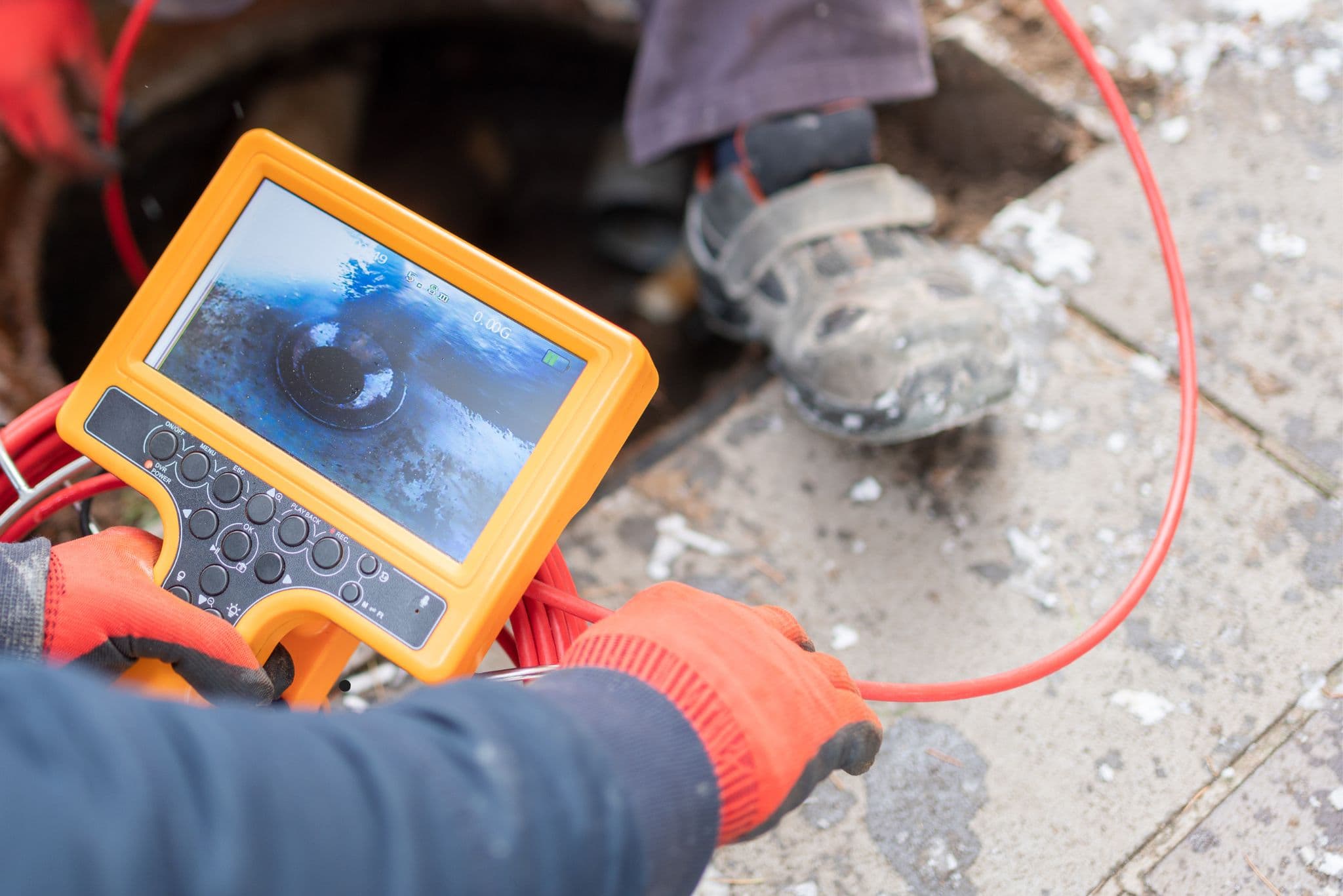
Professional drain clearance can usually resolve these issues quickly, while a CCTV drain survey can identify any underlying problems if blockages continue to return.
What Are Shared Drains?
Many homes, particularly older properties and terraced housing, are connected to a shared drainage system. Once your private drain joins the drainage pipe from a neighbouring property, it becomes a shared drain. Since changes introduced in 2011, responsibility for most shared drains and lateral drains transferred to the local water company.
This means that if the blockage is located within a shared section of pipework, your water company will usually arrange and pay for the repair. Determining exactly where the blockage is located is often the most important part of the process.
What Is a Public Sewer?
A public sewer carries wastewater away from multiple homes and businesses. These larger underground networks are maintained by the regional water company and form part of the public sewerage system.
If a blockage, collapse or structural defect occurs within a public sewer, homeowners are not normally responsible for the repair costs. Your water company will investigate the issue and arrange any necessary maintenance or repairs.
How Can You Tell Where the Blockage Is?
Unfortunately, it is not always obvious. A blockage affecting only your property may indicate a problem within your private drain. However, if neighbouring properties are experiencing similar issues, the blockage could be located within a shared drain or public sewer.
Common signs include slow draining sinks, overflowing inspection chambers, foul odours, gurgling toilets and wastewater backing up into the property.
The quickest way to identify the cause is through a professional inspection. At Drainage 2000, we use specialist equipment, including CCTV drain surveys. This helps us to locate blockages accurately without unnecessary excavation.
What If You're Buying a Property?
Drainage problems are not always visible during a house viewing. A CCTV drain survey before completing your purchase can identify collapsed drains, root ingress, displaced joints and existing blockages that could become expensive problems later.
Understanding the condition of the drainage system before you move in provides peace of mind and may even help avoid unexpected repair bills.
What Should You Do If Your Drains Become Blocked?
If your drains become blocked, avoid repeatedly using sinks, toilets or appliances connected to the affected drainage system, as this can make the problem worse.
If you are unsure who is responsible, the first step is identifying where the blockage is located. An experienced drainage contractor can quickly determine whether the issue lies within your private drainage system or whether it needs to be reported to your local water company.
At Drainage 2000, we provide professional domestic drain clearance and CCTV drain surveys, helping homeowners resolve drainage issues quickly while advising on responsibility where required.
Need Help With a Blocked Drain?
Whether the blockage is inside your property's drainage system or you're unsure who is responsible, our experienced engineers are here to help.
Using professional drain clearance equipment and advanced CCTV technology, we can identify the problem quickly and recommend the most appropriate solution.
Learn more about our domestic drainage services or speak to the team.