After weeks of warm, dry weather, most people are pleased to see rain in the forecast. Gardens recover, reservoirs begin to refill and temperatures become a little more comfortable. However, the first period of heavy rain after a prolonged dry spell is often when drainage problems begin to appear.
At Drainage 2000, we regularly see an increase in emergency call outs following the first significant downpour. Blocked drains, overflowing gullies and localised flooding become far more common, not because the rain has suddenly caused the problem, but because it exposes issues that have been developing for weeks or even months.
Understanding why this happens can help you protect your property and avoid costly drainage repairs.
Why Does Heavy Rain Cause Drains to Block?
Your drainage system is designed to cope with rainfall, but like any part of your home, it still requires maintenance.
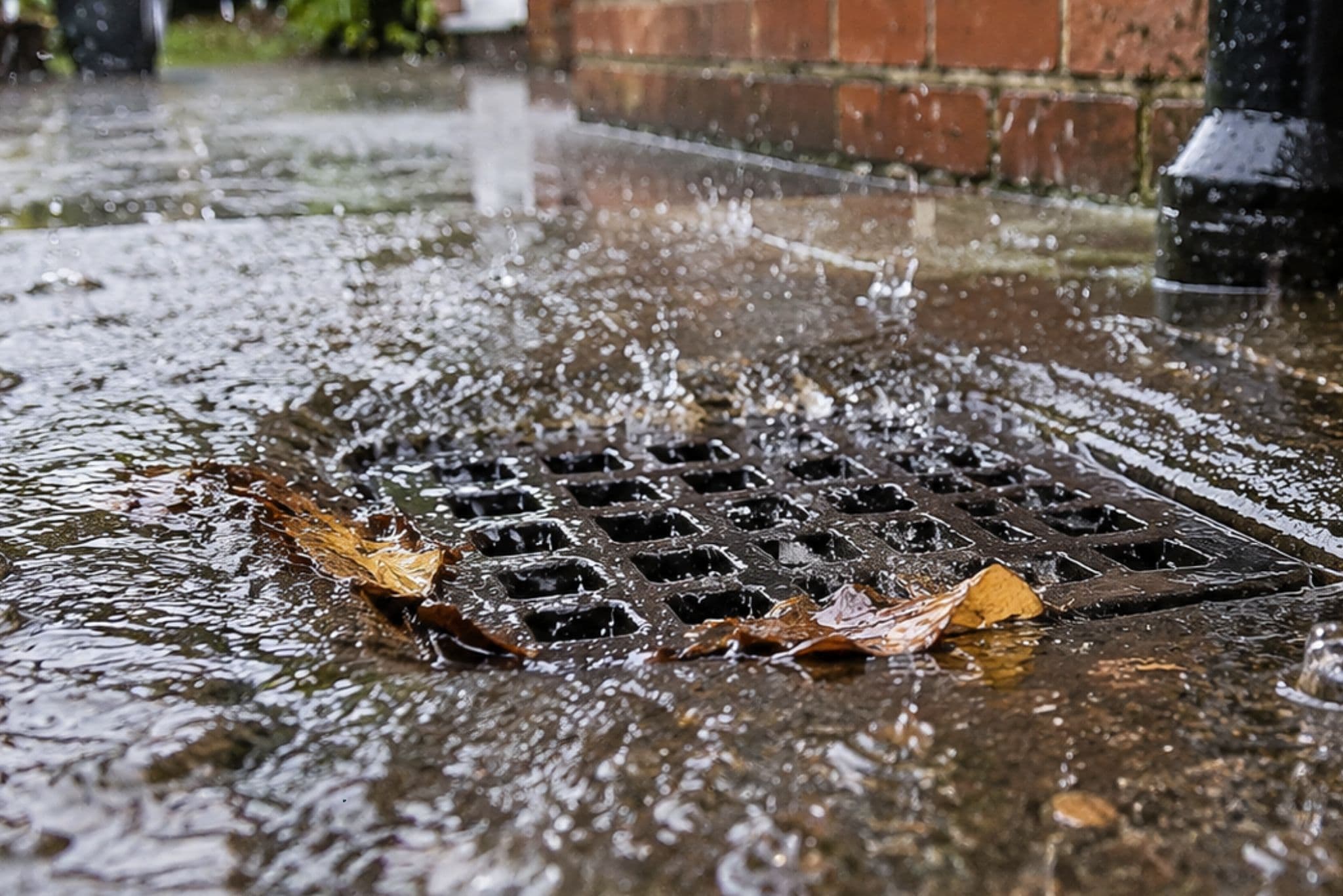
During long periods of dry weather, leaves, mud, silt and other debris collect inside gullies and surface water drains. Without regular rainfall to wash smaller deposits through the system, this material begins to build up.
When heavy rain finally arrives, the sudden increase in water flow pushes all of that debris through the drainage system at once. If there is already a partial blockage or damage within the pipework, it does not take long before water begins backing up or overflowing.
This is why many drainage problems seem to appear immediately after the first heavy rainfall.
The Problem Was Probably Already There
One of the biggest misconceptions is that the rain caused the blockage. In reality, the blockage has often been developing for some time.
Grease, wet wipes, soap residue, tree roots and general debris can gradually reduce the flow through your drains without causing any obvious symptoms. During dry weather there is simply less water moving through the system, so these restrictions often go unnoticed.
The first heavy downpour places additional demand on the drainage system, exposing weaknesses that were already there.
Dry Weather Can Affect Underground Pipework
It is not just debris that causes problems. Long periods without rain can cause the ground to dry out and shrink, particularly in areas with clay soils. Older drainage systems may move slightly as the surrounding ground changes, leading to cracked joints or small defects developing underground.
Although these issues are rarely visible from the surface, they can allow soil, roots and debris to enter the drainage system, increasing the risk of future blockages.
Tree Roots Become More Aggressive During Dry Weather
Trees naturally search for moisture, especially during extended periods of dry weather. If underground drains have even the smallest crack or displaced joint, roots can find their way inside the pipe. Once established, they continue to grow, trapping debris and restricting the flow of wastewater.
Many homeowners only discover they have a root ingress problem when heavy rainfall causes the drain to back up.
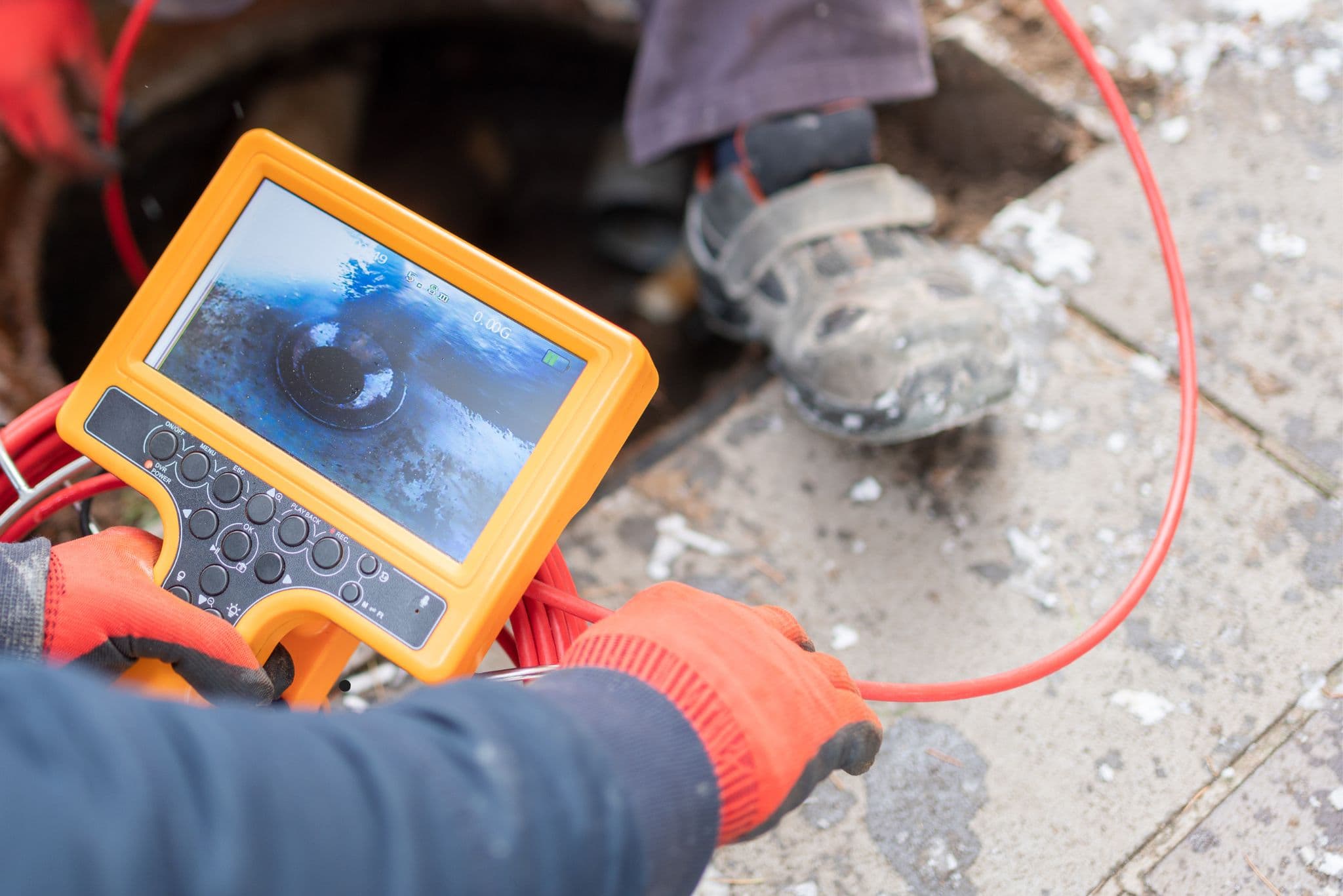
A professional CCTV drain survey is often the quickest way to identify root damage before it develops into a collapsed drain.
How to Reduce the Risk of Drainage Problems
Fortunately, there are a few simple steps that can reduce the likelihood of blocked drains during periods of heavy rain. Regularly clearing leaves and debris from external gullies helps rainwater flow away properly and prevents surface water from collecting around your property.
If you have noticed slow-draining sinks, unpleasant smells, recurring blockages or standing water around inspection chambers, it is worth having your drainage system inspected before the problem becomes more serious.
A CCTV drain survey allows engineers to identify hidden defects quickly, helping prevent emergency call outs and unnecessary repair costs.
When Should You Call a Drainage Specialist?
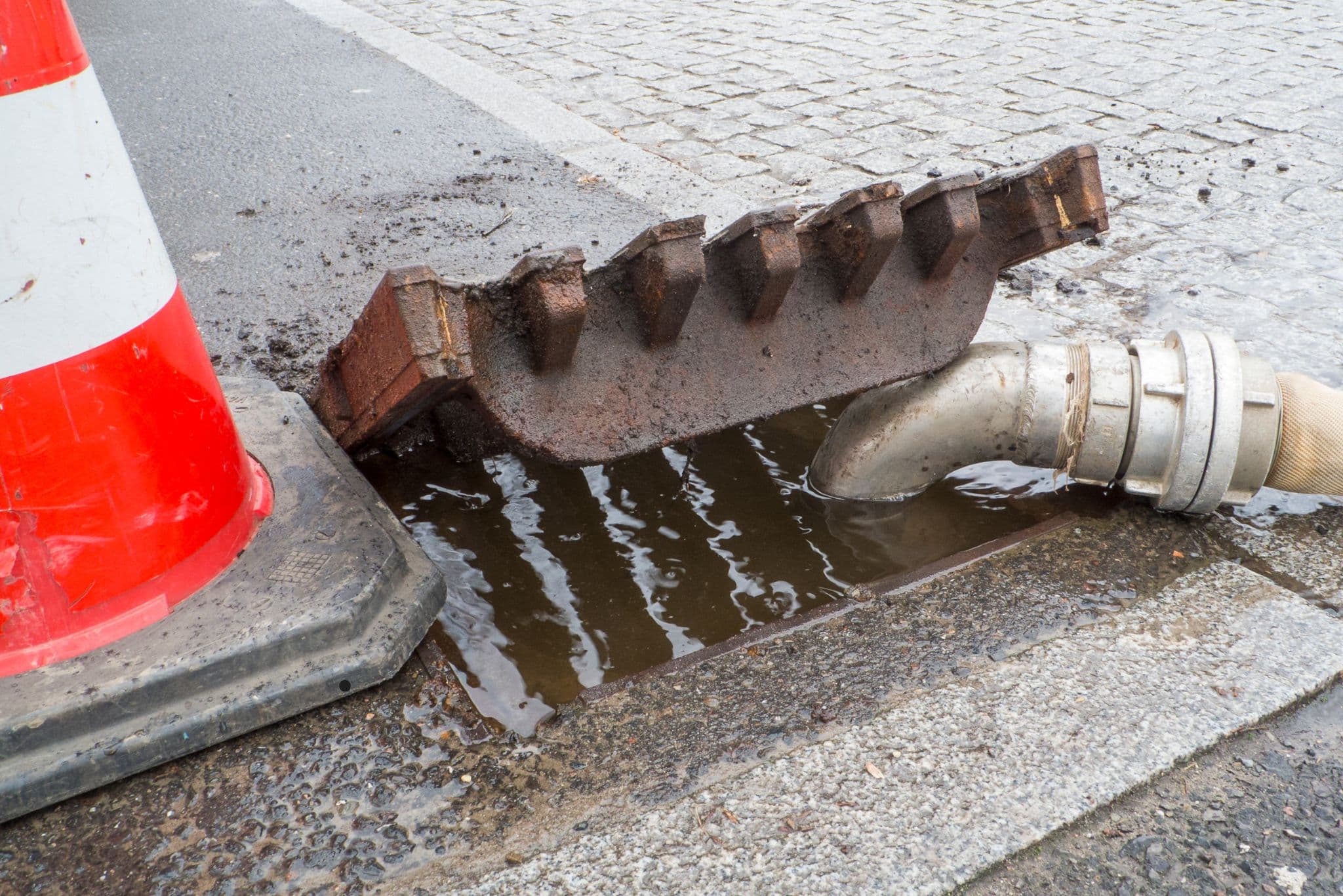
If heavy rainfall causes your drains to overflow, wastewater backs up into your home or blockages continue returning, professional assistance is recommended. Using specialist drain clearance equipment and CCTV technology, experienced drainage engineers can identify the cause of the problem. Then recommend the most appropriate solution to fix it the first time and for it to last.
Acting early often prevents a relatively small issue from becoming a major repair.
Be Prepared Before the Weather Changes
The first heavy rain after a dry summer catches many homeowners by surprise. In most cases, the drainage problem did not start with the rain. The rain simply revealed an issue that had been hidden beneath the surface.
By checking your drainage system before the wetter months arrive, you can reduce the risk of blocked drains, flooding and costly emergency repairs.
If you are experiencing recurring drainage problems or would like peace of mind before autumn arrives, the team at Drainage 2000 is here to help with professional drain clearance and CCTV drain surveys across the region.