Warehouses, distribution centres and industrial units rely on efficient drainage systems to keep their operations running smoothly. From large loading bays and external yards to underground pipework serving manufacturing facilities, commercial drainage plays an important role in keeping these premises safe and operational.
However, drainage systems are often overlooked until something goes wrong. A blocked gully, overflowing drain or damaged underground pipe can quickly cause flooding, restrict vehicle access and disrupt day-to-day operations.
At Drainage 2000, we've been providing professional commercial drainage services for more than 25 years. We work with businesses, industrial premises and facilities managers across Derbyshire, South Yorkshire and Nottinghamshire, helping to prevent and resolve drainage problems through specialist drain clearance, CCTV drain surveys and preventative maintenance.
Why Are Warehouses and Industrial Units Vulnerable to Drainage Problems?
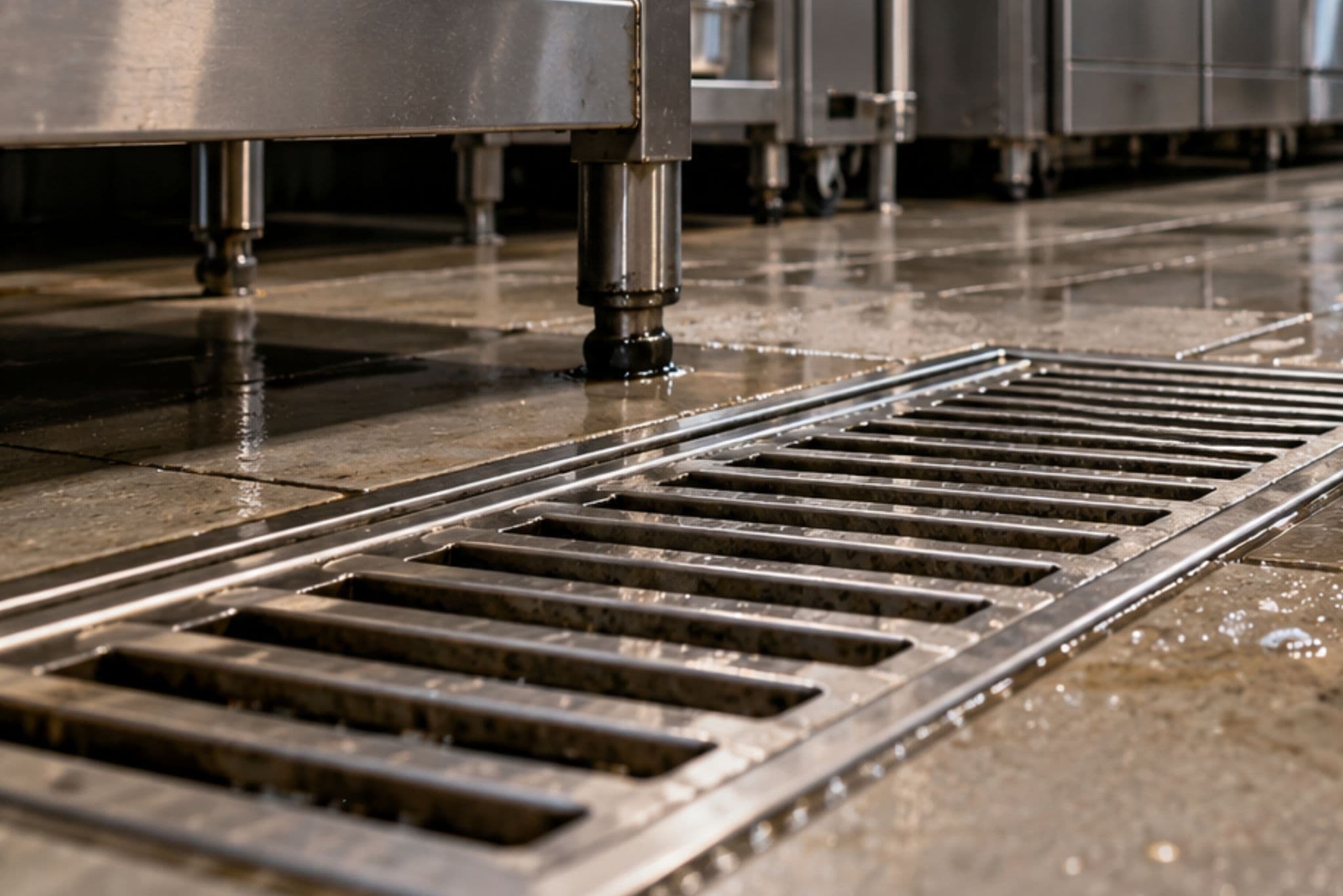
Industrial premises often have much larger and more complex drainage systems than domestic properties. Warehouses, factories and distribution centres typically have extensive roofs, loading bays, car parks and hardstanding areas, all of which need effective drainage to manage surface water.
During periods of heavy rainfall, large volumes of water can enter the drainage system in a relatively short space of time. If gullies or underground pipes are partially blocked, water may struggle to drain away, resulting in standing water and localised flooding.
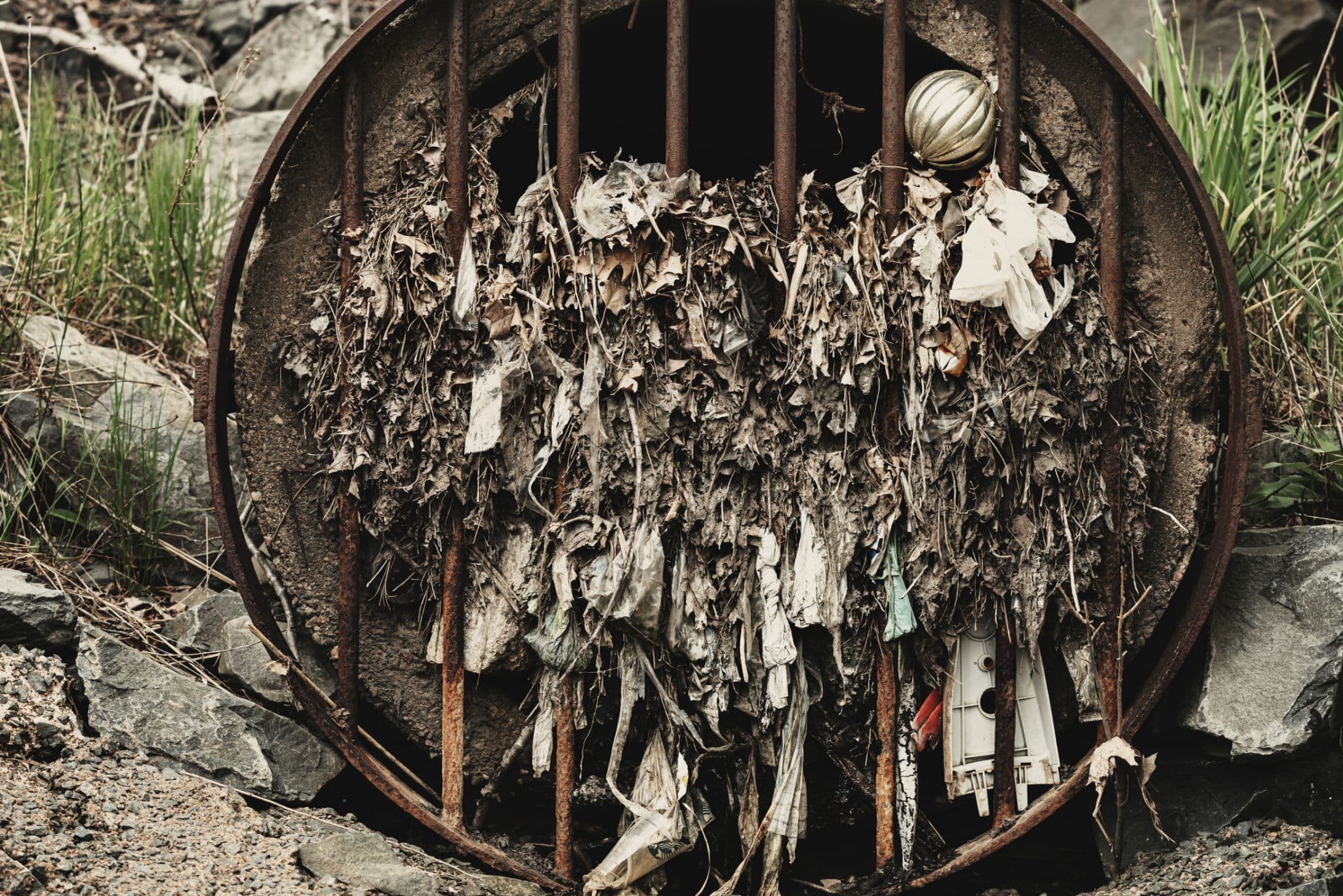
Industrial environments can also generate significant amounts of debris. Mud, silt, leaves and general waste can accumulate around external drains, particularly in areas used by heavy goods vehicles and machinery.
Without regular commercial drain maintenance, these deposits can gradually restrict water flow and increase the likelihood of serious blockages.
Flooded Loading Bays and Yards Can Disrupt Business Operations
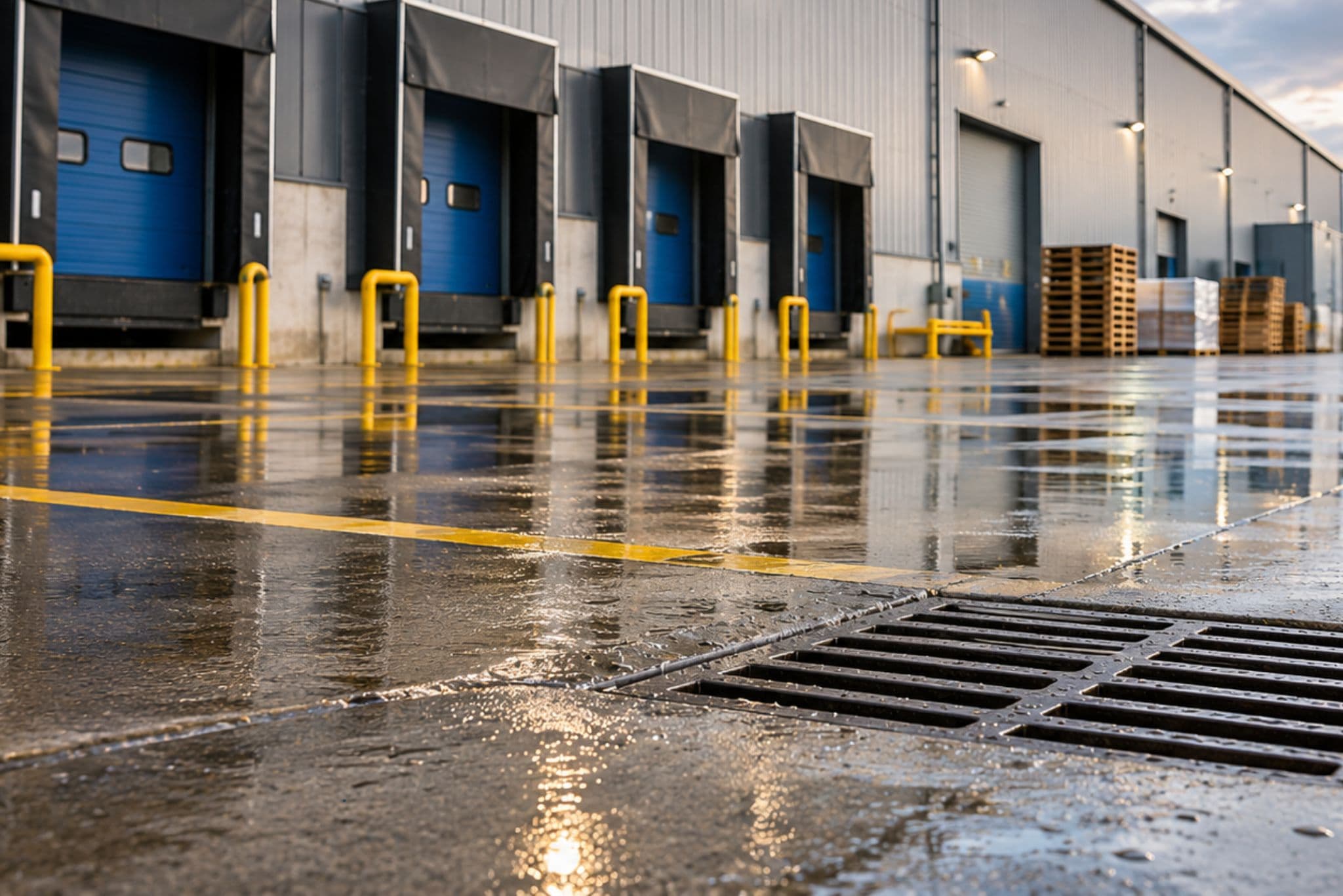
Loading bays and external yards are essential to the daily operation of many warehouses and industrial facilities. When these areas become flooded, the consequences can extend well beyond a simple drainage problem.
Standing water can make vehicle movements difficult, restrict access for deliveries and create potential slip hazards for employees and visitors. In more serious cases, flooding can enter buildings, damaging stock, machinery and electrical equipment.
For distribution centres operating to strict delivery schedules, even a relatively short interruption can affect customers and create additional operational costs.
Keeping external gullies, drainage channels and underground surface water systems clear is therefore an important part of maintaining a safe and efficient industrial site.
The Hidden Drainage Problems Beneath Industrial Premises
Not every drainage problem is visible from the surface. In many cases, blocked commercial drains develop gradually as debris and sediment collect within underground pipework.
Older industrial sites may also have drainage systems affected by cracked pipes, displaced joints, root ingress or previous ground movement. These defects can restrict water flow and allow additional material to enter the drainage network. Because industrial drainage systems often cover large areas, identifying the exact location of a problem can be difficult without specialist equipment.
A professional CCTV drain survey allows engineers to inspect underground pipework and identify blockages, structural defects and other issues without unnecessary excavation. This helps businesses understand the condition of their drainage systems and arrange targeted repairs where required.
How Commercial Drain Clearance Helps Prevent Flooding
Professional commercial drain clearance is one of the most effective ways to maintain drainage systems serving warehouses and industrial units.
High-pressure water jetting can remove accumulated silt, mud and debris from suitable drainage pipework, restoring water flow and reducing the risk of blockages developing during heavy rainfall.
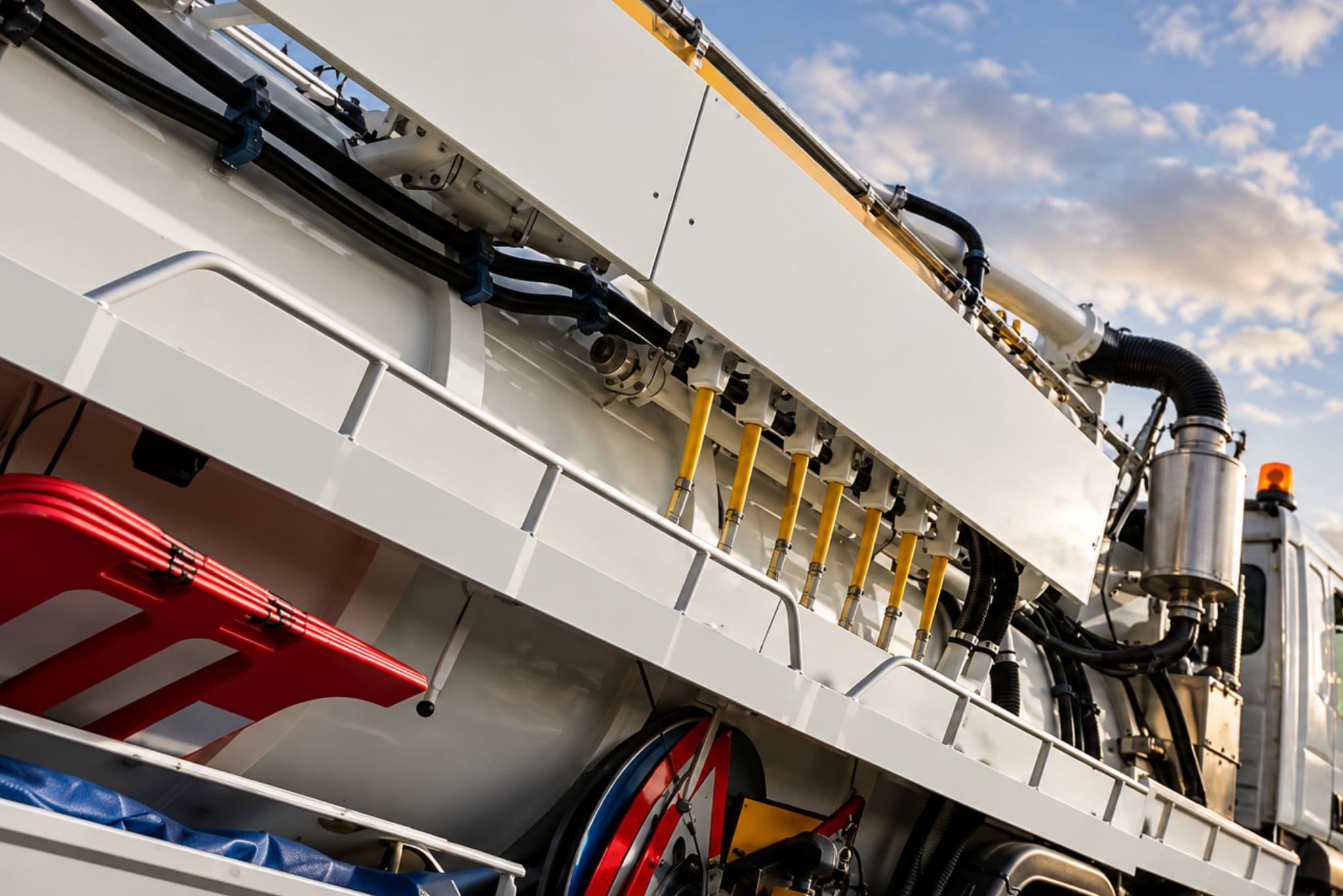
For larger drainage systems or heavily contaminated gullies, specialist Jet-Vac equipment can provide additional cleaning capabilities. Combining high-pressure water jetting with powerful vacuum extraction allows engineers to remove significant quantities of sediment and debris from drainage systems.
At Drainage 2000, our experienced engineers use specialist commercial drainage equipment to tackle blockages and drainage problems across industrial premises, helping businesses maintain efficient drainage systems and reduce the likelihood of disruption.
Why Planned Commercial Drain Maintenance Makes Financial Sense
Waiting until a drainage system fails can be an expensive approach for businesses operating large industrial premises.
Emergency drain clearance, flooding, damaged stock and interrupted operations can all contribute to unexpected costs. In some cases, the disruption caused by a blocked drain can be considerably more expensive than the drainage work itself.
Planned commercial drain maintenance allows businesses to identify and address problems before they become emergencies. Regular inspections and professional cleaning can help remove accumulated debris, maintain water flow and identify sections of pipework that may require further attention.
For facilities managers responsible for multiple buildings or large industrial estates, preventative maintenance also provides greater control over maintenance budgets and reduces the likelihood of unexpected drainage failures.
When Is a CCTV Drain Survey Recommended for Industrial Premises?
A CCTV drain survey can be particularly useful when an industrial drainage system experiences recurring blockages, unexplained flooding or persistent drainage problems.
Using specialist camera equipment, engineers can inspect underground pipes and identify the location and nature of any defects. This helps determine whether the issue can be resolved through professional cleaning or whether structural repairs may be required.
Commercial CCTV drain surveys are also valuable when assessing older industrial premises, investigating drainage problems before refurbishment work or reviewing the condition of underground drainage systems as part of a maintenance programme.
At Drainage 2000, we provide professional CCTV drain surveys to help businesses make informed decisions about drainage maintenance and repairs.
Commercial Drain Repairs and Excavation
While many commercial drainage problems can be resolved through professional cleaning, some require more extensive repairs.
Collapsed pipes, severely damaged joints and structural defects can prevent wastewater or surface water from flowing correctly. Where these problems are identified, excavation or targeted drainage repairs may be necessary to restore the system.
Drainage 2000 provides commercial excavation and drainage repair services, helping businesses resolve damaged underground pipework and prevent recurring drainage failures. By identifying the cause of the problem accurately, our engineers can recommend the most appropriate repair solution while working to minimise disruption to the surrounding premises.
Emergency Commercial Drainage Services
Even with regular maintenance, unexpected drainage emergencies can still occur. Heavy rainfall, damaged pipework and sudden blockages can affect warehouses and industrial units at any time.
Drainage 2000 provides 24/7 emergency commercial drainage services, helping businesses respond quickly when drainage problems threaten their premises or operations. Our experienced engineers use professional drainage equipment to investigate blockages, restore water flow and identify any underlying issues that may require further attention.
Whether you're dealing with a flooded loading bay, overflowing inspection chamber or blocked underground drainage system, our team understands the importance of resolving the problem efficiently and minimising business downtime.
Protect Your Warehouse or Industrial Unit with Drainage 2000
Effective drainage is an essential part of maintaining a safe and operational industrial premises. Blocked drains, damaged pipework and poor surface water management can quickly lead to flooding, disruption and unexpected repair costs.
Taking a preventative approach through regular commercial drain maintenance, CCTV inspections and professional drain clearance can help businesses identify potential problems before they become more serious.
At Drainage 2000, we've been supporting commercial and industrial customers for more than 25 years. From warehouses and distribution centres to manufacturing facilities and industrial estates, we provide specialist drainage solutions throughout Chesterfield, Sheffield, Derbyshire, South Yorkshire and Nottinghamshire.
If you're responsible for maintaining a warehouse, factory or industrial unit, contact Drainage 2000 to discuss professional commercial drain clearance, CCTV drain surveys, Jet-Vac cleaning or preventative drainage maintenance.